Explained:

Delta E & Why It Matters

In the world of plastic color matching, Delta E (ΔE) is the standard measurement for color difference—and one of the most important metrics for quality control. But what does it actually mean, and why should processors and OEMs care?

What is Delta E?

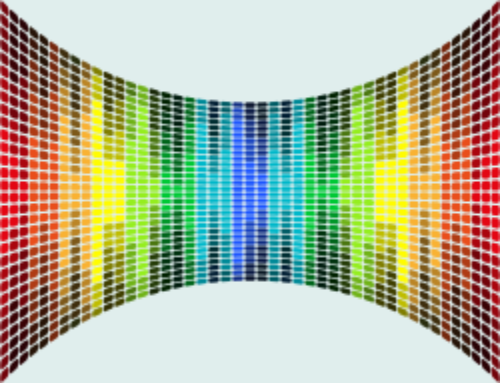
Delta E is a numerical value that represents the difference between two colors in a perceptual color space. It quantifies how much a sample color deviates from a target standard.

  • ΔE = 0 means the colors are identical.

  • ΔE < 1.0 is virtually indistinguishable to the human eye.

  • ΔE 1–2 is considered acceptable in most industries.

  • ΔE > 3 is easily noticeable and usually considered a mismatch.

How is Delta E Measured?

Delta E is calculated using spectrophotometers that capture a color’s position in three-dimensional space—typically using the CIE Lab* color model. This allows for precise, repeatable measurement beyond what the eye can see.

Key Color Challenges in Extrusion

  • Line Speed Variability
    Faster or uneven extrusion speeds can affect pigment distribution, leading to inconsistent color bands.

  • Melt Temperature Fluctuations
    Even slight temperature inconsistencies can alter color, especially with heat-sensitive pigments.

  • Back Pressure and Screw Design
    Poor mixing due to improper screw design or settings can lead to streaking or uneven dispersion.

Key Color Challenges in Injection Molding

  • Shear Heat During Injection
    High shear rates can degrade pigments or alter their tone.

  • Hot Spots in Mold Cavities
    Uneven mold cooling can cause color variation from part to part.

  • Short Shot or Flow Marks
    Improper fill can create visible color distortions or swirls.